For many couples, children aren’t just guests at the wedding – they’re at the heart of it. Whether you’re a blended family, including your own children, or celebrating with nieces and nephews, finding meaningful ways to involve them can make your ceremony even more personal and memorable.
At the same time, it’s completely normal to feel a little nervous. Will they get shy? Will they refuse to walk down the aisle? Will they suddenly decide this is the exact moment for a meltdown?
The good news? Weddings with children don’t need perfection to be beautiful. With a little thought and flexibility, they often become the most heartfelt part of the day.
Give them a real role (age-appropriate) Children rise to the occasion when they feel trusted and included. Depending on their age and personality, they could:
Walk down the aisle as a flower girl or ring bearer
Carry a sign
Hand over the rings
Deliver a short reading
Help with a symbolic ritual
Hold hands during vows
Or something less visible but just as meaningful – helping choose the music is always a great way to get the whole family involved.
The key is to match the role to the child, not the other way around.
Keep expectations realistic
Very young children live entirely in the present moment – which means anything can happen.
And that’s okay!
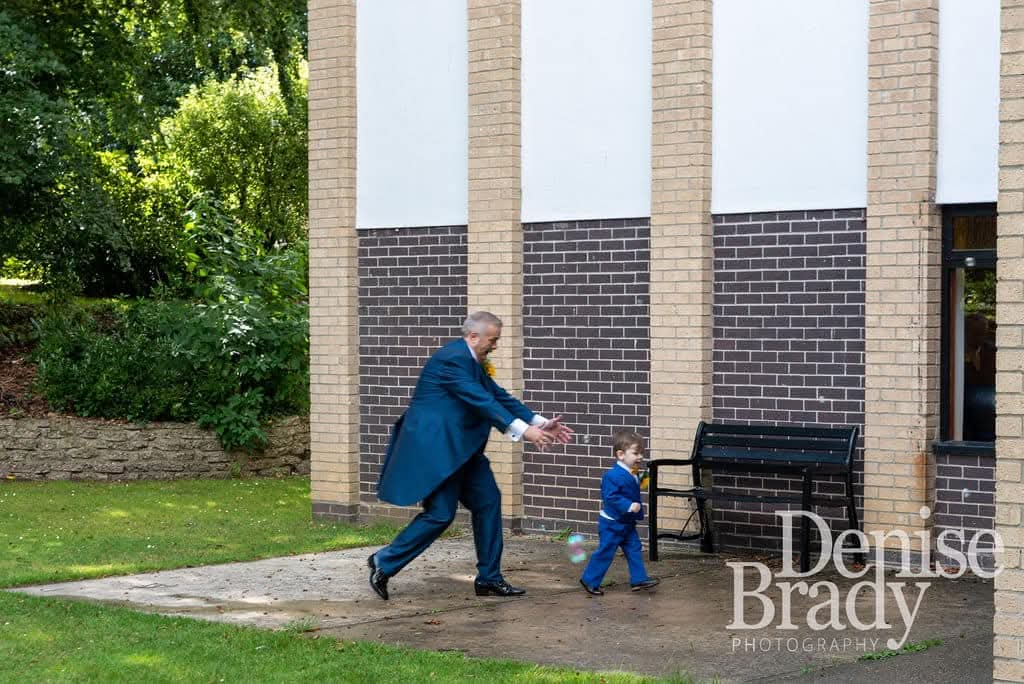
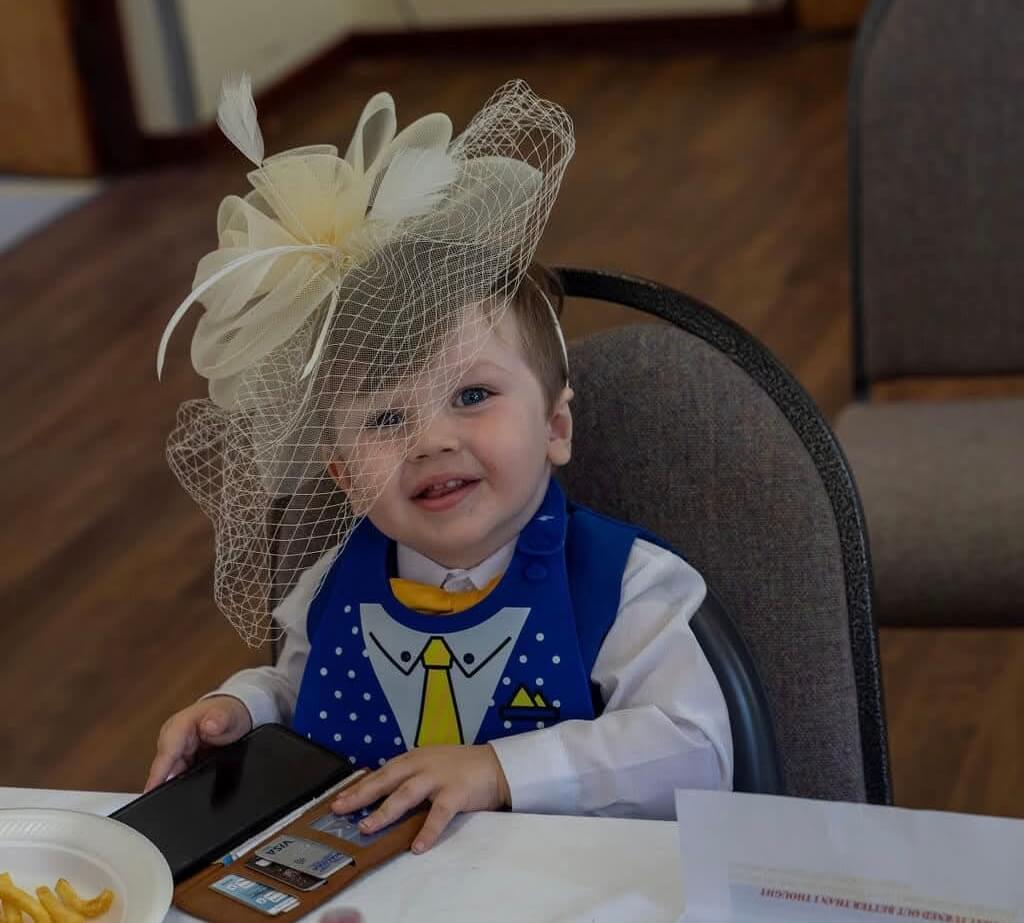
To this day, we still laugh as a family looking back at my granddaughter’s meltdown during her mother’s wedding ceremony. What was anxiety-inducing is now a funny family moment.
If you’re planning a ceremony with toddlers or preschool-aged children:
Keep the ceremony concise
Avoid putting pressure on them to “perform”
Have a trusted adult ready to step in
Accept that noise, movement, or giggles may happen
Often, the spontaneous moments become the most cherished memories.
If flexibility matters to you, having a ceremony structure that allows for natural pauses and warmth makes all the difference.
Consider a Family Unity Moment
For blended families in particular, the ceremony can be a powerful moment of reassurance and belonging.
Some meaningful ideas include:
A sand ceremony, where each family member adds a different colour
A handfasting that includes children (tying of the hands)
Family vows spoken together
Tree planting (depending on location)
These rituals can be simple, symbolic, and deeply moving. What matters most is that the children feel they are part of the foundation being built – not just watching from the side.
Prepare them in advance
Children cope far better when they know what to expect.
Before the day:
Explain what will happen
Practice walking down the aisle (make the most of a rehearsal)
Show them photos of the venue
Let them see their outfit beforehand
Involve them in small decisions (readings and song choices work perfectly here)
When children feel informed, they feel secure.
Prioritise comfort Weddings are long days – especially for small people. Think about:
Snacks and water
A quiet room or breakout space
A designated adult who can step out if needed
Entertainment for later in the day
Knowing there’s an easy exit if emotions run high allows everyone to relax.
Remember: It doesn’t have to be perfect
Children don’t need to behave flawlessly for a ceremony to feel meaningful.
A wave to grandparents.
A whispered question mid-vow.
A shy smile instead of a confident walk.
These moments often become the ones you remember most. The presence of children adds honesty and warmth to a wedding day. It reminds everyone that marriage isn’t just about the couple standing at the front – it’s about the family and the future being created around them.
If children are part of your world, it can feel natural to include them in the day you say “I Do”. With thoughtful planning and the right support, your ceremony can reflect your family dynamic beautifully.
And if you’re unsure how to structure a ceremony that feels calm, inclusive, and flexible, experienced guidance can make all the difference. If you’d like to explore ideas in a relaxed, supportive way, you’re always welcome to get in touch.
Getting Married in Norfolk and Suffolk? Read this first.
The ultimate local essentials guide for couples who have recently got engaged.
Firstly, congratulations on your engagement! You are probably a whirlwind of emotions, from that happy love filled bubble, to the burning overwhelm of “What Next?”. Most people when they get engaged find themselves full of questions – primarily “how do I even start planning a wedding?”. That is why I have put together this simple First Steps guide to getting married in Norfolk, Suffolk, and surrounding areas.
Getting Lawfully Married
Let’s start with the important bit – how to legally get married and still have the wedding of your dreams. When you first start looking at getting married in Norfolk or Suffolk, it can feel far more complicated than you expected. In reality, the legal process is quite straightforward – you’ll need to give notice of marriage through your local register office (usually aim for 6 months notice), attend an appointment in person, and wait the required 28 days before your ceremony can legally take place. Your wedding must happen in an approved venue by a legal registrar if you want it to be legally binding, and there are set statutory fees for giving notice and the registrar-led wedding.
Increasingly, many couples are choosing to keep the legal side simple by having an intimate “2+2” ceremony at the registry office – just the 2 of them and their 2 witnesses – before going on to have a fully personalised celebrant-led ceremony with all their friends and family. Separating the paperwork from the personal moment often removes a huge amount of pressure, and can help keep costs low without compromising on the wedding they want. Stress rarely comes from the legalities themselves, but from trying to make a legally restricted ceremony feel meaningful. Having a celebrant alongside you means you can relax knowing the formalities are handled, while your personalised ceremony reflects your story, your values, and the atmosphere you want to create.
Registrar vs Celebrant in Norfolk and Suffolk: What’s the difference?
Once you understand the legal framework, the next question most couples ask is whether they need a registrar, a celebrant, or both. The key thing to know is this: a registrar conducts the legal marriage on behalf of the local authority, while a celebrant creates and delivers a personalised ceremony that reflects your story.
A registrar, booked through Norfolk or Suffolk county council, is required if you want your ceremony itself to be legally binding. Their role is to ensure the legal declarations and contract wording are delivered correctly, and ceremonies must follow approved scripts and take place in licensed venues.
A celebrant, on the other hand, focuses entirely on the experience. There are no restrictions on location, structure, content, or symbolism. I often say the only limitation is your imagination. You can marry in a woodland clearing, on a family farm, by the coast, or in your own garden. You can include personal vows, family rituals, cultural traditions, moments of remembrance, or involve children and blended families in meaningful ways.
For many Norfolk and Suffolk couples, the solution isn’t choosing one or the other – it’s separating the legal registration from the celebration. A simple legal ceremony at the registry office and the breathtaking celebrant-led ceremony that becomes the moment everyone remembers.
Popular Wedding Venues
Norfolk and Suffolk offer an incredible mix of countryside charm, coastal elegance, and relaxed waterside settings. Whether you’re planning something grand or intimate, there’s a venue to suit almost every style.
Some much-loved local favourites of mine include:
Elms Barn, Beccles
A beautifully restored 17th-Century barn full of rustic character, perfect for couples wanting an exclusive-use countryside celebration with warmth and personality.
The Boathouse, Ormesby
Set right on the water, this venue offers a relaxed, light-filled atmosphere with stunning Norfolk Broads views – ideal for couples who love a scenic, laid-back vibe.
The Hotel Victoria, Lowestoft
Overlooking the sea, this Victorian hotel combines coastal romance with elegant modern interiors, making it especially lovely for smaller, intimate weddings.
Waveney House Hotel, Beccles
Nestled by the river, this venue offers a peaceful waterside setting with flexible ceremony options and a welcoming atmosphere.
Duston Hall Hotel, Norwich
A striking Elizabethan-style country house, perfect for couples looking for a more traditional manor-house feel with expansive grounds.
Glebe Farm Barn, Norwich
A true blank canvas Norfolk Wedding Venue, perfectly suited for couples who want complete creative freedom. Set within 100 acres of countryside, this exclusive-use barn allows you to take over the property for several days, giving you time to decorate, personalise, and celebrate entirely your way.
From barns and broads to seaside coast and countryside estates, the key thing to remember is this: if you’re having a legally-binding ceremony by a registrar, your venue must be licensed. If you’re choosing a celebrant-led ceremony, your options widen considerably – from woodland clearings to family gardens, anywhere that means something to you as a couple is possible.
5 things couples often forget when planning their wedding
Even the most organised couples miss a few small but important details. Norfolk and Suffolk are beautiful places to get married – but they do come with their own practical considerations. Here are 5 things worth thinking about early:
Weather Backup Plan
Outdoor ceremonies are incredibly popular across Norfolk and Suffolk, but East Anglian weather can change quickly. Consider an agreed-wet weather plan with the venue, cover for guests if there’s light rain, or even shade if it’s unexpectedly hot. Don’t expect the worst – but do feel relaxed on your day no matter the forecast.
Guest Accomodation
Many of the most beautiful venues are tucked away in villages or countryside locations. That charm can make transport and accommodation trickier for guests. Consider special rates at your venue, whether taxis will be needed (especially limited late at night in rural areas), or recommending hotels to your guests. Make their RSVP “yes” as easy as possible.
Registrar Timings and Availability
If you are using a Registrar on the “Big Day”, couples often forget that ceremony times are fixed and can’t be overrun so meticulous planning is needed. If there are any delays on the day, the registrar cannot hang around. They also get booked up quickly (especially Fridays and Saturdays).
Confetti Restrictions
Not all venues permit confetti and most only allow that which is biodegradable. Some restrict where it can be thrown and some don’t allow it inside at all. Always check the specific policy with your venue.
The Emotion of the Day
This one isn’t logistical – but it matters just as much. Many couples plan every detail, of decor and timings, but forget to build in breathing space. Think about taking a quiet moment for the two of you, time to actually speak to your guests, not rushing straight from the ceremony to speeches, enjoy one of the most important days of your life.
First Steps to planning your dream wedding day
Now we’ve clarified a few things, let’s get you planning without the stress. Before you fall too far down the Pinterest rabbit hole, focus on these simple foundations.
Choose your ideal date (or season)
You don’t need an exact date straight away, but having a rough timeframe helps everything else fall into place. Are you dreaming of a summer barn wedding, or a cosy winter celebration, or something in between? Popular dates in Norfolk and Suffolk book quickly so a little flexibility can be helpful.
Book your venue
Your venue sets the tone, capacity, and availability for everything else. Once this is secured, the rest of your planning becomes far easier.
BONUS – set a reminder to give notice if its too early. In England and Wales you must give at least 28 days notice but no more than 12 months. As more couples opt for longer engagements this can easily be forgotten.
Secure your Celebrant
Couples often book their Celebrant shortly after securing their venue as you want to ensure you have someone whose style and approach truly suit you. But don’t miss the opportunity to pick their brain as well. Chances are they’re familiar with your venue and have worked with many suppliers who can help your day run smoothly.
If you’re having a registrar-led ceremony, you just need to contact the correct council early to check availability.
Set a realistic budget
Sit down together and agree on a comfortable overall figure. Decide who is contributing, what matters most, and where you can simplify or want to indulge.
Draft a rough guest list
You don’t need final numbers yet, but a realistic estimate is essential as it can affect all other decisions you make.
A Final Thought
Getting married doesn’t need to feel overwhelming. Yes, there are legal steps to follow and decisions to make – but at its heart, this season is about the two of you building something together.
Try to treat wedding planning not as a checklist to survive, but as the beginning of your marriage in action. Schedule planning evenings with a glass of wine. Turn supplier research into coffee dates. Celebrate the small milestones – booking your venue, sending your invitations, finalising your vows.
The details will fall into place. What matters most is that you move through the process as a team, and don’t forget to have some fun with it.
And if at any point the logistics start to feel heavier than the joy, remember: you don’t have to navigate it alone. Whether leaning on family and friends, experienced suppliers, or working with a celebrant to guide you through the process, support is there to make this season feel exciting. Your wedding is one day – your marriage is a lifetime. If you’d like support creating a ceremony that reflects who you are and what you value, I’d be delighted to chat. Let’s make the planning feel meaningful, not overwhelming.
The Funeral Celebrant Accord The Funeral Celebrant Accord defines the attributes and skills required of an excellent funeral celebrant and is intended to set the standards by which all celebrants offering funeral services should be measured. The role of a funeral celebrant is to serve the bereaved and their community by creating and leading a personal, accurate and respectful funeral ceremony. Their work should clearly reflect the life, values and beliefs of the person who has died, acknowledge and give time to their community of family and friends, and create an environment in which the grieving process can be held and supported.
An excellent funeral celebrant:
Is professional
Cares for their clients
Is calm and shows natural leadership
Writes personalised ceremonies
Cares about their self-development
Is professional ● They are easy to contact, friendly, approachable, and communicate well with fellow professionals. They are prompt, reliable, efficient and organised. They are able to remain open and empathetic, at the same time as recognising the professional stance necessary to lead the funeral appropriately. ● They have good computer and IT skills that support effective communication and produce professional looking scripts that can be offered as keepsakes. ● They are GDPR aware and compliant; work confidentially, and have Personal Liability Insurance and Indemnity Insurance. ● They are well groomed and appropriately dressed.
Cares for their clients ● They offer to visit clients at home, and give as much time as is needed for the interview and to create the funeral ceremony. ● They are inclusive, flexible and non-judgmental. ● They engender trust through openness, sensitivity and confidentiality. ● They are willing to involve family and friends in creating the funeral, and offer to send the script for approval before the funeral. ● They meet and greet their clients at the venue, and are available immediately after the funeral ceremony. ● They understand that a successful funeral is one that serves and supports the bereaved and reflect the life, values and beliefs of the person who has died.
Is calm and shows natural leadership ● They have a calm and reassuring presence, providing gentle leadership without seeking to be the centre of attention. ● They are a clear, confident and engaging speaker with a range of pace and intonation. ● They are responsive to what is happening in the room and the environment, and are able to think on their feet and adapt where necessary.
Writes personalised ceremonies ● Every ceremony is unique, and created following a detailed and extensive interview with the relevant family and community of the person who has died, whenever possible. ● Every ceremony draws out and encourages the family’s own tastes in culture and literature, using the celebrants own knowledge and resources as appropriate. ● Every ceremony is meaningful, inspiring and well structured, with a script that accurately reflects the life, values and beliefs of the person who has died. ● Every ceremony includes language and ritual that is appropriate to the family they serve.
Cares about their self-development ● They are on a continuing path of personal and professional development to keep informing and improving the profound and varied demands of celebrancy work.
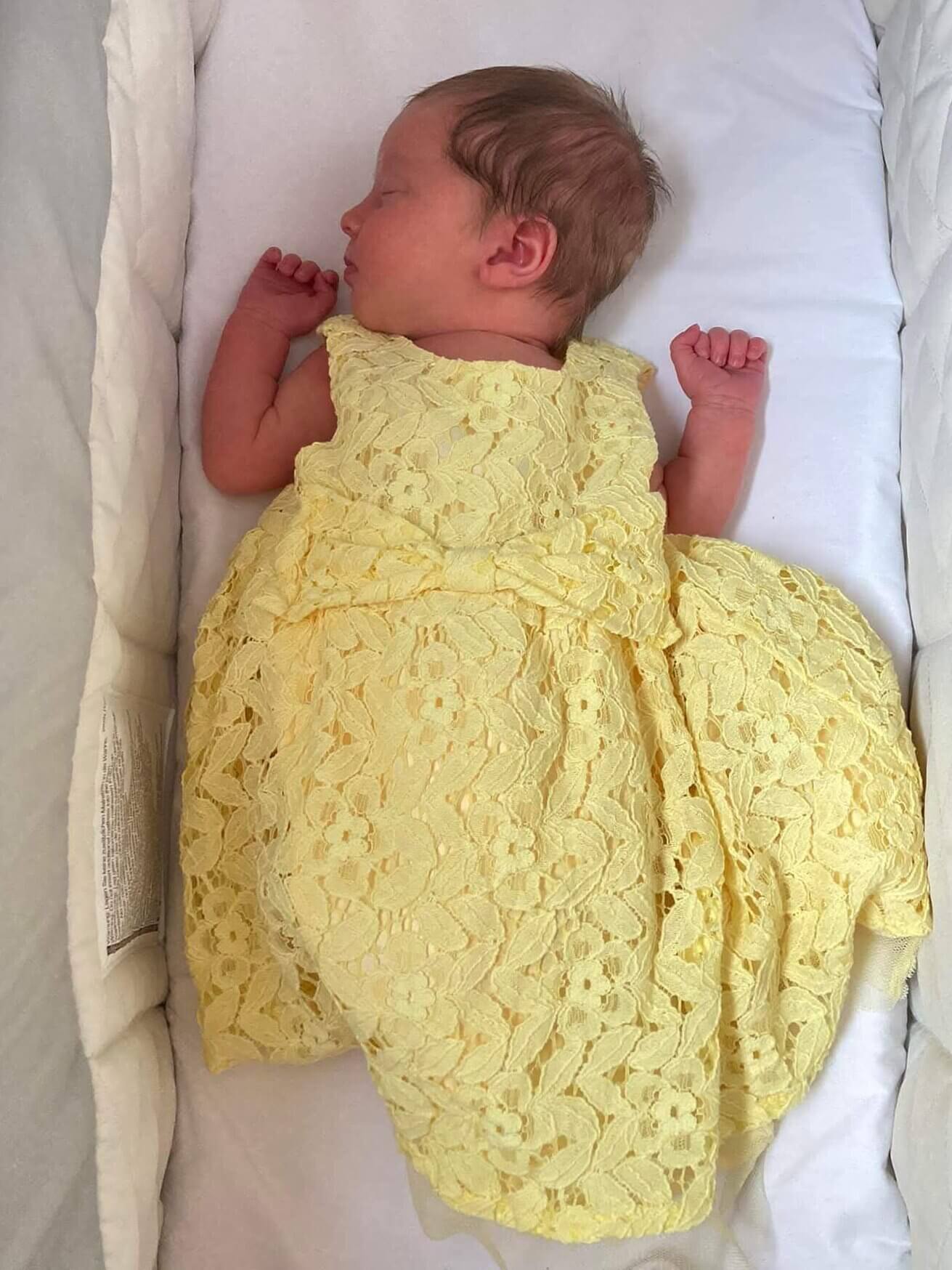
One of the greatest joys in my work as a celebrant is helping families celebrate new beginnings. Welcoming a baby into the world is such a precious moment, and a naming ceremony is a beautiful way to mark the occasion.
Unlike traditional religious services, a baby naming ceremony is all about you and your family. It’s personal, inclusive, and tailored to reflect the love, hopes, and values you want to share with your child as they begin their journey through life.
This kind of ceremony is one that is growing in popularity, with many people now preferring this to a christening or baptism. But what exactly is a naming ceremony? Think of it as a celebration of your little one’s arrival. It’s the chance to officially introduce their name, share its meaning, and surround them with love from friends and family. These ceremonies can take place anywhere that feels right to you—a cosy home, a favourite garden, a woodland space, or even a local community space. I’m based here on the East Coast of England and I can tell you that in those summer months especially the beach is a very popular location choice.
Life with a new baby can feel like a whirlwind, but pausing to celebrate their arrival is a truly meaningful gift—for your child, for your family, and for your wider community. They say it takes a village and this is a great way to celebrate with your little village. In reality, a naming ceremony is not just about giving your baby a name; it’s about welcoming your child with love, joy, and the promise of support as they grow.
It means creating ceremonies that are warm, personal, and inclusive. Ceremonies that honour life’s most important moments whether that’s weddings, farewells, or naming ceremonies—with heart and humanity.
Being a Civil Celebrant doesn’t mean being cold or formal—it means respecting everyone’s beliefs and stories while crafting a space where love, loss, and life can be truly celebrated.
My promise is simple: every ceremony is written with care, delivered with compassion, and designed to reflect the people at its heart. That’s what “civil” really means.
Get in touch today via messenger or via the website and we can talk about what your ceremony looks like to you.
We often find it much easier to think about planning weddings and how we can make those a unique and special celebration. It is often much harder to think of funerals in a similar way, however there are many ways that you can make a celebration of life for your loved one just as special and unique as they were.
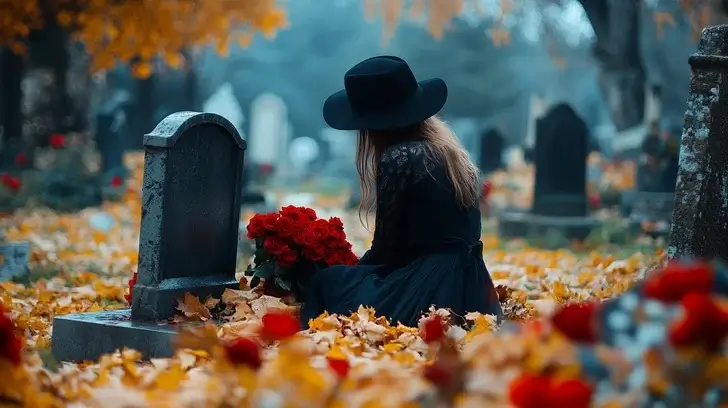
It is becoming more apparent that people want to say their final goodbyes to their loved ones in less traditional ways and so this got me thinking about how you can use the time of year to help with this. Below are some ways that you can make your loved ones funeral service special and unique whilst incorporating the autumnal season we’re in.
Leaf messages One of the most obvious things we notice about autumn is the changing of the leaves around us. Changing shapes, colours and falling from the branches they have been clinging to. You can use dried leaves to write message that you can leave for your loved one. You may want to collect them all up or if you’re having a burial then perhaps you may want to drop your leaf message in with them. However, you choose to do it putting pen to leaf can be a lovely way of saying what you need to say.
Spider webs Ok so hear me out on this one. Autumn is a time that we often associate with spiders as this tends to be the time of year where they are most visible and present around us. If you are struggling to write the eulogy, then perhaps you could consider using the metaphor of the spider’s web. Just like a how a spider weaves its web we weave the threads of our own lives, connecting and intertwining our lives with those around us. If you are looking for a more physical sense of imagery, then consider asking your celebrant to bring a long piece or rope or ribbon for attendees to hold during the service. This can be a powerful way for you to feel connected at this time as you gather to celebrate the life of the one whom you love.
Songs and readings This is perhaps the simplest way to incorporate the changing season with the funeral service. Something as simple as choosing songs and readings that have an autumnal theme can help to be a calming and relatable way to say goodbye.
You may be thinking, why would I want to combine the season with the funeral and why would that matter? Well, it might be that Autumn was your loved one’s favourite season and so you want to include many of the things they loved. Another thing to consider is the relatability. There is something to be said for a service that reflects the current season you are in and sometimes a very literal approach can really help. Being able to relate this emotional change of season in your life with the literal season around you can help people to wrap their thoughts around the situation and can be a useful way of helping them to come to terms with the loss.
Ultimately no matter the season this celebration of life should be just that, a celebration and should reflect your loved one in any way you see fit. If you have specific thoughts and ideas about how you would like to say goodbye and honour the individual in your life, then make sure to talk to your celebrant. They may just be able to help you with your ideas and ensure you get exactly the service you and your loved ones deserve.